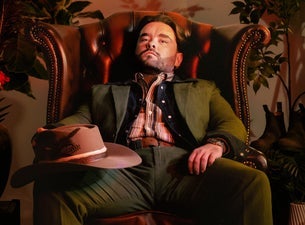

In December 1979, Chris Donald produced the first issue of Viz in his bedroom in Jesmond, Newcastle. He photocopied 150 copies and sold them for 20 pence each in the Cooperage pub on the Quayside and at a record shop in the city centre. It was a comic influenced by the Beano and the Bash Street Kids, filtered through the punk fanzine ethic and the specific social landscape of working-class Tyneside. By 1989 it was selling 1.2 million copies per issue and was the third biggest selling magazine in Britain. The story of how that happened is one of the stranger and more brilliant passages in British publishing history.
The Origin
Chris Donald was 19 when he made the first issue. He was not a trained cartoonist or writer. He was a teenager who found the official comic tradition – the Beano, the Dandy, the sanitised knockabout of British children’s comics – insufficiently connected to real life as he observed it. The early Viz combined crude drawing, scatological humour, and a close observation of Geordie working-class life that owed something to the social realism of the northeast and something to the willingness to say things that other comics wouldn’t.
The early characters established the template. Johnny Fartpants, Billy Whizz parodies, and the general anarchic energy of the early issues attracted a cult following in Newcastle before distribution beyond the city became possible. His brother Simon and friend Jim Brownlow joined as contributors. The DIY production values were a feature rather than a limitation – they gave the comic a physicality and imperfection that complemented its content.
The Characters That Made It National
The characters that eventually drove the comic’s national circulation were several. Sid the Sexist – a Geordie man whose sexual confidence is in permanent inverse proportion to his actual appeal – is a study in self-delusion so precise that it transcends regional specificity while remaining rooted in Tyneside culture. The Fat Slags – Sandra and Tracy, two women with enormous appetite for food, drink, and casual sex – inverted the moral framework of traditional women’s magazine culture with a directness that was genuinely radical at the time. Roger Mellie the Man on the Telly targeted the self-importance of television celebrity. Finbarr Saunders operated on one extended joke about sexual innuendo, executed with impeccable comic timing across multiple pages.
What the characters shared was a grounding in the specific textures of British working-class life – the pubs, the estates, the jobs, the social dynamics – that mainstream British comedy in the 1980s largely avoided. The comic was vulgar but it was not stupid. The vulgarity was in service of observation, which is a distinction that its critics frequently missed.
The Peak and the Plateau
The late 1980s and early 1990s were Viz’s peak years commercially. A deal with Virgin Publishing brought national distribution. The circulation of 1.2 million made it briefly larger than many national newspapers. John Brown, the publisher who had taken it on after the Virgin deal, became wealthy. Chris Donald, who had built the thing from his bedroom, became comfortable rather than rich – a distinction he has discussed in print with characteristic directness.
The circulation declined through the 1990s as the initial shock of the content wore off and as mainstream comedy absorbed some of what Viz had been doing. The comic still exists and still publishes. It is no longer a phenomenon in the way it was between 1986 and 1994. What it remains is a genuine cultural achievement – a product of a specific city, a specific time, and a specific person’s vision that reached beyond all reasonable expectation to become part of British popular culture. The Byker origins are not incidental to what it was. They were the source.
Corrections
Spotted something wrong? Send a correction.